Drug shortage response for hospital pharmacy
See the shortage behind the shortage.
When a drug goes short, Fontrel traces it to the plant that makes it, finds the other drugs on your shelves made there, and lists candidate alternatives made somewhere else.
How it works
01
Trace the plant
Many FDA labels list the plants where the drug is made. Fontrel follows the shortage to those plants.
02
Find what else is exposed
Other drugs made at the same plant share that exposure, even with no shortage notice yet.
03
Review candidate alternatives
Candidates with no shared plant on record come first. Your team's past rejections move down.
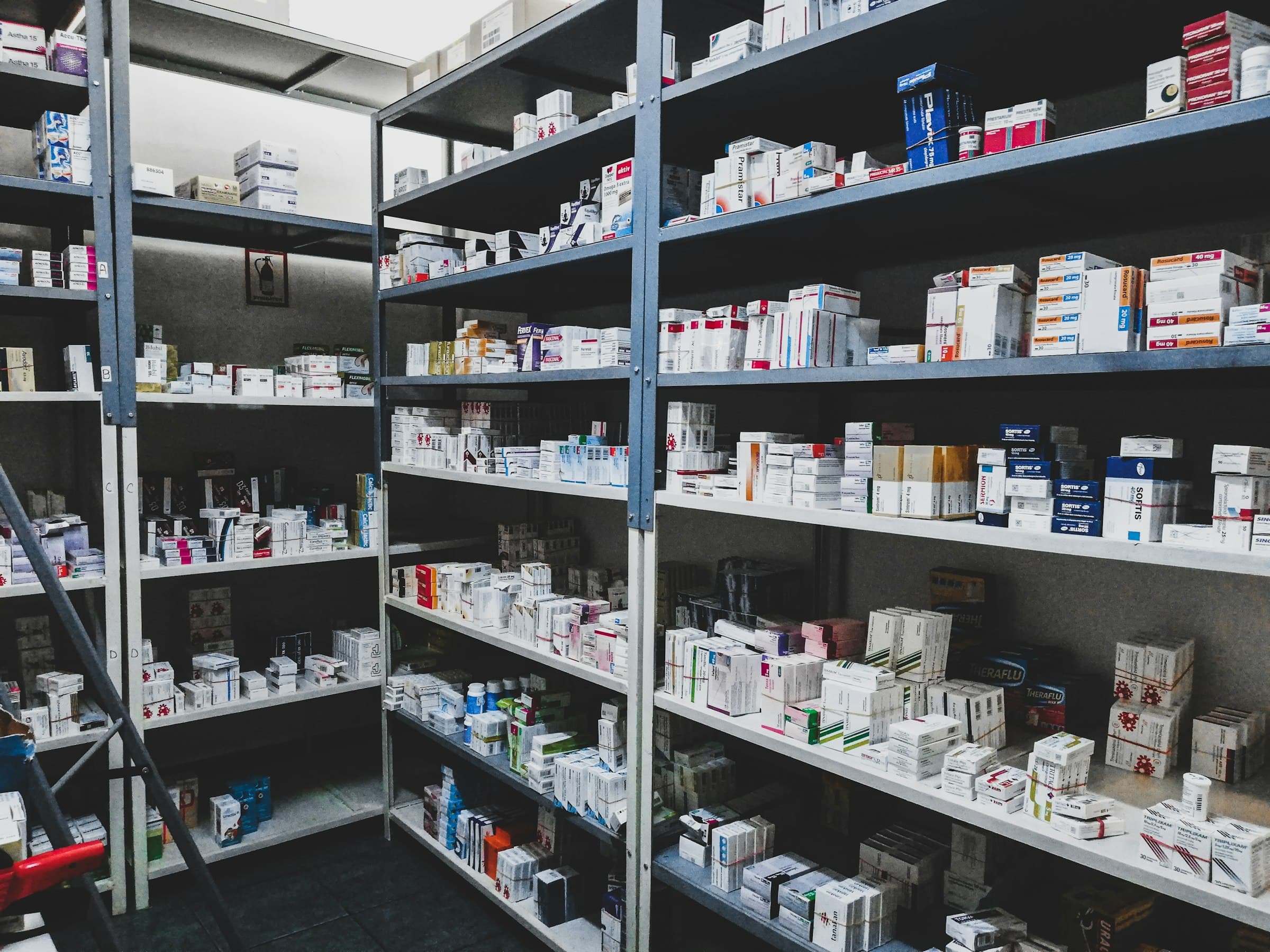
Different names on the box. Often the same plant behind it.
The drugs Fontrel tracks, with the most current shortages first.
A shortage list vs Fontrel
| Capability | Shortage list | fontrel |
|---|---|---|
| Tells you a drug is short | Yes | Yes |
| Shows the plant that makes it | No | Yes |
| Finds your other drugs made at that plant | No | Yes |
| Checks a candidate shares no recorded plant | No | Yes |
| Remembers what your team chose last time | No | Yes |
| Shows the query behind every answer | No | Yes |
Every answer links to its source.
Hospital formularies and decisions in this app are synthetic.
Suppliers from the Drug Master File list are registrations, not confirmed supply.
Questions, answered.
Does Fontrel tell me what to use instead?
No. It lists candidate alternatives with the same ingredients and strengths, and shows which plants each one is made at. They are not confirmed therapeutic equivalents. A pharmacist approves or rejects every one, and Fontrel never chooses a drug or a dose.
Where does the plant information come from?
From the establishment section of each FDA drug label on DailyMed, which lists the plants that make, pack and label the product.
What does “Plant overlap unknown” mean?
One of the two labels lists no manufacturing plant, so Fontrel cannot tell whether the products share one. It says so instead of guessing.
Is my hospital's data kept separate?
Each hospital's formulary and decisions live in their own graph, and the agent can only read the hospital it was started for. In this demo both hospitals are synthetic and anyone can switch between them. A real deployment would add sign-in so each team sees only its own hospital.
What runs underneath?
A FalkorDB graph of products, plants, suppliers and shortages, and an AI agent that can only read it. The only write is a pharmacist's approve or reject. If the AI model is unavailable, the same graph queries still run.